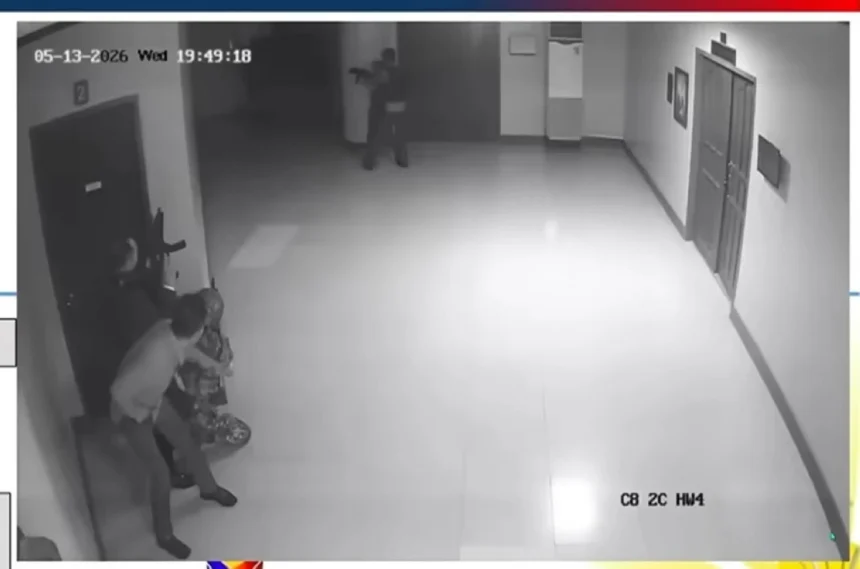
The Philippine National Police (PNP) on Thursday, May 21, firmly rejected accusations that it manipulated CCTV footage related to the May 13 gun-related incident at the Senate.
PNP chief Gen. Jose Melencio C. Nartatez, Jr. defended the integrity of the investigation after Senate Sergeant-at-Arms Mao Aplasca alleged that the video had been spliced to fit a narrative that the Senate was not under attack.
“The integrity of our investigative process is paramount and the footage we presented is authentic, time-stamped, and direct from the source, leaving no room for claims of manipulation,” Nartatez said.
He stressed that all CCTV recordings came directly from the Senate and formed part of the official evidence.
Criminal Investigation and Detection Group (CIDG) director Maj. Gen. Robert Alexander Morico II added that Aplasca may have been misinformed, explaining the “lock and load” behavior of the retired police general who fired warning shots on May 13.
Morico emphasized that under the Implementing Rules and Regulations of Republic Act 11917, or the Private Security Services Act, warning shots are not included in the six stages required before the use of lethal force.
“It is very clear in our investigation that there was no attack in the Senate, there was no intent,” Morico said.
“In fact, if there was really a perceived ongoing attack, why did they abandon the area where the shooting happened?”
The CIDG has recommended filing criminal charges against Aplasca and two of his men for violating the law’s provisions.
Nartatez assured the public that the PNP remains open to further technical review if Aplasca insists on his claims.
“We remain fully transparent and welcome any objective, expert validation of these files, as our only objective is to present the unvarnished truth of the events that transpired at the Senate,” he said.
He added: “We assure the public that the PNP is committed to a fair, impartial, and transparent investigation.” (Aaron Recuenco)