The Philippine National Police (PNP) has intensified its monitoring of liquefied petroleum gas (LPG) retailers as the number of gasoline stations forced to close due to supply problems rose to 425.
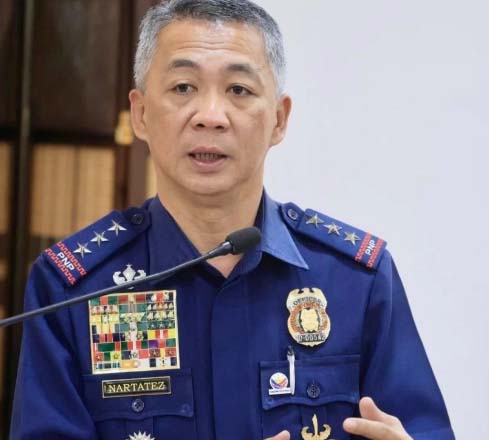
PNP chief, Police General Jose Melencio C. Nartatez Jr., said on Friday, March 27, that the move aims to protect the public from sharp price increases linked to limited LPG availability.
“I have directed our local police to heighten monitoring of retailers to prevent hoarding and price manipulation of LPG amid the present energy challenges that we are facing,” he said.
The Department of Energy (DOE) reported LPG supplies could last as few as 24 days, including incoming deliveries, based on its March 20 inventory and daily average utilization.
This raised concern from the public because LPG now has the lowest supply among key energy products, the DOE said.
DOE data showed LPG prices in Metro Manila this month ranged from P825 to over P1,000 per regular tank.
As such, Nartatez said proper coordination is now being done with local government units and other agencies to come up with measures to prevent cases of hoarding and profiteering.
“This is not the time to panic and this should never be the time to take advantage of any of our kababayan. While the national government is exhausting all measures to help, we in the PNP will also make sure that consumers are always protected,” he said.
Nartatez said the police will not hesitate to conduct operations and file charges against retailers who are found taking advantage of the situation, warning that that profiteering will be met with legal action.
Meanwhile, the PNP said it monitored a total of 425 gasoline stations that have temporarily closed as fuel prices continue to rise across the country amid the lingering tensions in the Middle East.
Citing accounts of the owners of the affected stations, the PNP said these stations ran out of supply, forcing them to halt operations. (Martin Sadongdong)