By Aaron Recuenco
The recent school shooting in Tacloban City has intensified a nationwide discussion on the roots of youth violence, with government officials pointing to the role of violent online games.
Department of the Interior and Local Government (DILG) Secretary Jonvic Remulla said the incident should prompt deeper reflection on how digital content affects young people.
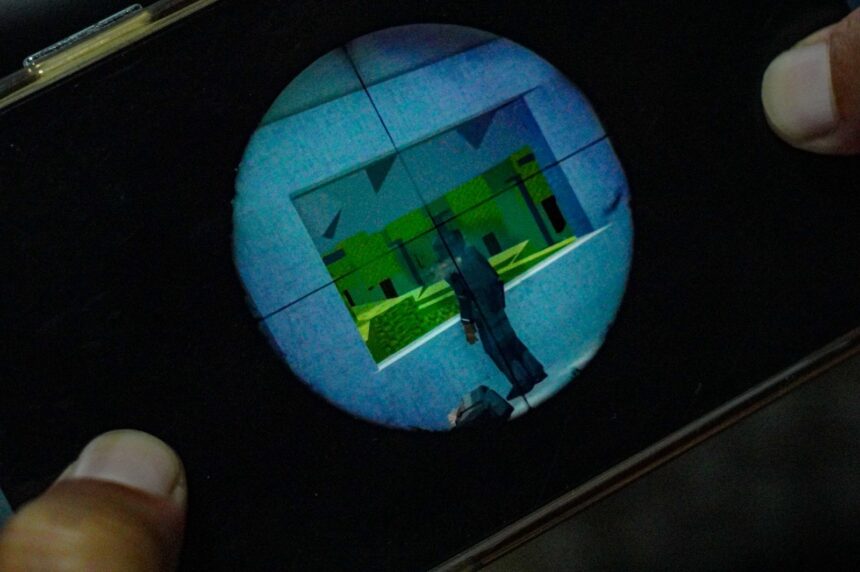
One of the shooters was reportedly addicted to GoreBox, an online sandbox game that allows players to create violent scenarios using weapons and physics systems.
The Cybercrime Investigation and Coordinating Center (CICC) has already blocked access to GoreBox in the Philippines, and Remulla suggested that similar measures could be applied to other violent games.
“Games espousing violence like GoreBox should be permanently banned in the Philippines. These desensitize young people into the elements of death, elements of violence, and elements of murder,” he said.
Remulla urged Congress and relevant agencies to study possible legislation, stressing that repeated exposure to violent content may shape the behavioral development of the youth.
The Tacloban tragedy, he added, should be seen not only as an isolated crime but as part of a broader national conversation about violence, culture, and the influences shaping young minds.
The debate now extends beyond gaming, touching on how society addresses risk factors—from digital platforms to real-world environments—that may contribute to violent behavior among the youth.