By RAMPADOR ALINDOG
P-pop is booming.
Every few months, it seems another boy group or girl group bursts onto the scene armed with synchronized choreography, polished visuals, catchy hooks, and a fiercely loyal fandom.
Blame it, perhaps, on the continued global rise of K-pop, which remains a huge influence on the local music scene.
Truth be told, for casual listeners, it’s easy to think they’re all cut from the same cloth. Same hairstyles. Same dance breaks. Same dramatic poses.
So what really sets one P-pop act apart from another?
Curious to find out, we went straight to the people who would know best—the fans.
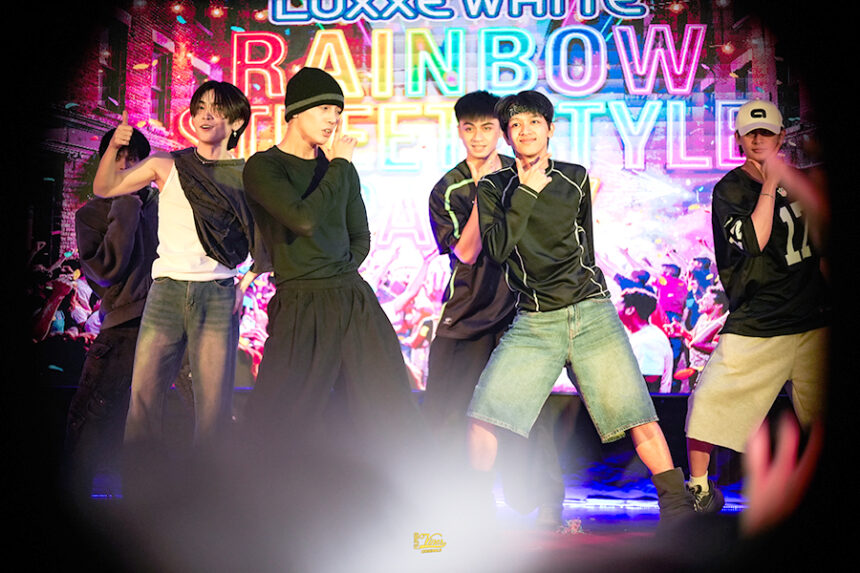
The answers came at an event bringing together three of the country’s hottest P-pop acts: BILIB, 6ENSE, and Chicser.
For the Bituins, the collective name of BILIB’s supporters, their idols stand apart because they represent different provinces across the archipelago.

“May cultural sensibilities reflective of their regions and that makes them different,” one fan explained. “Tsaka siyempre, silang lahat pogi!”
Fans of 6ENSE, known as ESENSE, pointed to something else entirely.
“You can feel their hunger and passion in their music and performances,” one supporter said. “Mararamdaman mo sa music at sa sayaw nila ang gigil nila!”
Then there are the Chicserifics, whose loyalty to P-pop trailblazers Chicser remains unwavering. They insist their idols are the originals—trendsetters whose style has inspired many who came after.
Well, we can’t exactly argue with that.

Interestingly, all three acts have one thing in common: they are managed by actor-producer-businessman RS Francisco.
But even RS rejects the notion that P-pop groups are interchangeable.
“Iba-iba sila, just like you can’t compare, say, the Backstreet Boys with New Kids on the Block. Sa unfamiliar, siguro akala pare-pareho ‘yang mga ‘yan because they mine the same genre of music. Pero each of them is original, unique. May kanya-kanyang personality.”
It’s precisely that individuality, he said, that convinced him to take the groups under his wing.
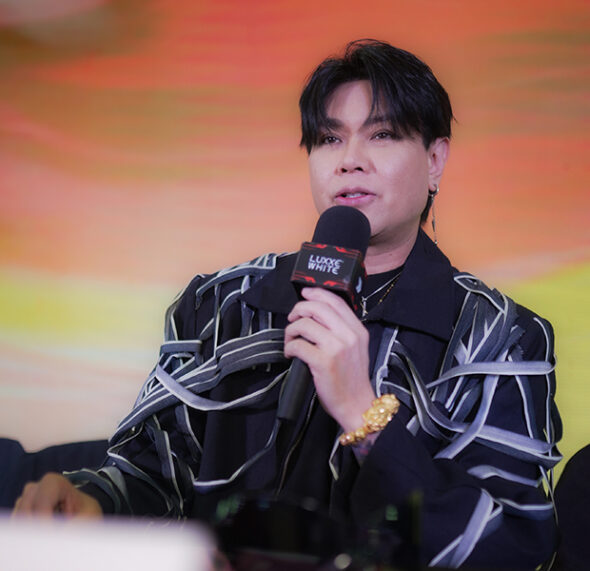
“Dahil nga iba-iba sila at lahat may potential to grow even bigger than they are right now, sabi ko, ‘Kailangan nito ng suporta.’ Ako, very supportive talaga ako sa mga kabataan na may pangarap. Kasi ganoon din ako dati—nangangarap, naghahanap ng suporta—and I’m very lucky to find my way to where I am today. Gusto ko ganoon din sila.”
RS said he’s now focused on helping the three acts further refine their sound and musical identity, with new releases already in the pipeline.
“We have big plans for them. Pero we’re taking it slowly. Ayaw naming biglain. We will come out with songs when the time is right.”
The gathering also doubled as the contract renewal ceremony for BILIB, 6ENSE, and Chicser as ambassadors of Luxxe White.
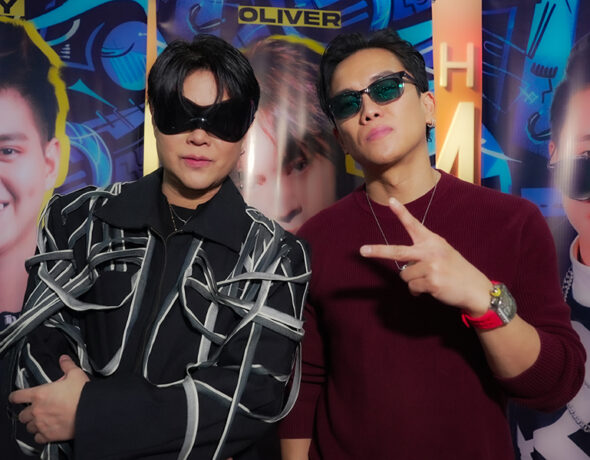
For RS, the partnership makes sense.
“These young men represent exactly what today’s generation stands for. They’re talented, hardworking, and confident. But more importantly, they inspire others to believe in themselves.”
Frontrow International co-founder Sam Verzosa shared a similar view.
“BILIB, 6ENSE, and Chicser each have their own journey, but they all prove that passion, consistency, and the right opportunities can change lives. That’s also what the Luxxe White community is all about—helping young Filipinos build confidence, dream bigger, and create success for themselves.”
So, did we find the answer to our question?
Actually, yes.
To the untrained eye, many P-pop acts may seem alike at first glance. But spend enough time with their fans and you begin to understand why each group inspires such fierce loyalty. Every act has its own story, personality, and identity.
Perhaps that’s what makes today’s P-pop scene so exciting. Beneath the synchronized moves and polished performances are artists trying to carve out their own place in an increasingly crowded field—and fans who can clearly tell the difference.