
Even before its release, many were quick to accuse director Darryl Yap of making fun of persons with disabilities, particularly those born with cleft lip and palate, in his latest film, “Love, Ngo.”
It’s easy to understand why.
The trailer seemed to reinforce those concerns, particularly in a scene where the protagonist, Ngongo, struggles to clearly tell a sari-sari store owner what he wants to buy. The exchange is played for laughs, and many assumed that was all there was to the film.
I did too.
But we were wrong.
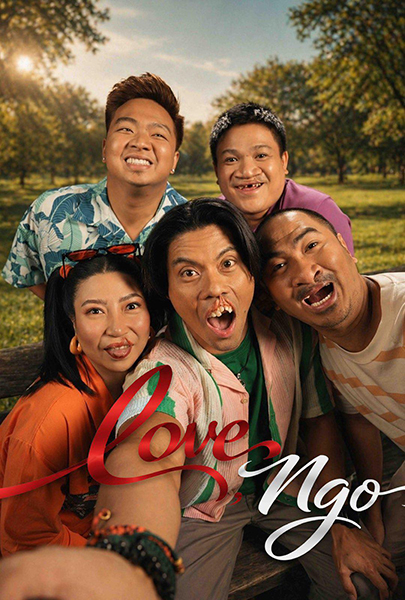
Yes, “Love, Ngo” is crass and occasionally crude. It carries the kind of unapologetically raunchy humor that has become synonymous with Yap’s films. But beneath all that is a surprisingly heartfelt story and perhaps the best argument for why this film needed to be made in the first place.
At its core, “Love, Ngo” is about self-love and acceptance.
Ngongo grows up believing people are constantly making fun of him and refusing to take him seriously because of his speech impediment. Over time, that belief turns into bitterness and self-loathing. What he fails to realize is that he has always been surrounded by people who genuinely love and support him. His inability to see that has less to do with the cruelty of others and more to do with the insecurity that has clouded his mind and heart for years.
The film’s message may not be subtle, but it works.
The performances certainly help.
Jerald Napoles delivers a winning performance as Ngongo, bringing both humor and vulnerability to the role. He makes what could have easily become a caricature feel like a real person, carrying the film with an ease that makes the performance look effortless.
Gina Alajar is equally commendable as Ngongo’s mother, providing warmth and emotional grounding whenever she appears onscreen.
A pleasant surprise is social media personality Malupiton, who nearly steals every scene he is in. His natural comedic timing and undeniable screen presence make him one of the film’s standout performers.

To be clear, “Love, Ngo” will not be for everyone. Its humor can be divisive, and some viewers may find its style too abrasive. But those willing to look beyond the crude jokes will discover a film with genuine heart and an important message about dignity, acceptance, and learning to embrace oneself.
All in all, “Love, Ngo” is a fun outing that leaves audiences with something meaningful to think about. It delivers plenty of laughs, but its biggest takeaway is a simple reminder: sometimes the person judging us the most harshly is ourselves.
Now showing in cinemas.