Operators of dilapidated public utility vehicles (PUVs) will no longer have their franchises renewed, as the Land Transportation Franchising and Regulatory Board (LTFRB) moves to implement a new policy banning neglected and unsafe vehicles from public transport.
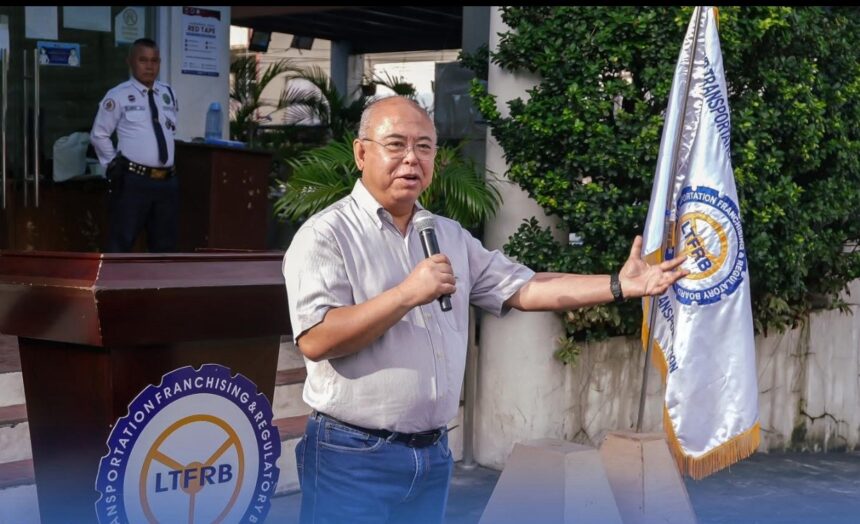
LTFRB chairman Vigor D. Mendoza II said the measure will apply nationwide, including provincial routes, to address commuter complaints about dirty, damaged, and unsafe PUVs still operating in Metro Manila and other urban areas.
“We will adopt a new confirmation process. We will not confirm the franchise of dilapidated PUVs,” Mendoza stressed.
The reform stems from mounting complaints and Mendoza’s own experiences riding poorly maintained vehicles.
He recalled boarding a jeepney in the Visayas with a hole in the passenger platform, while some modern jeepneys in Metro Manila had torn, filthy seats.
“I am talking about the modern jeepneys. I don’t even want to discuss the traditional jeepneys, and let me not get started with the taxis,” he added.
Mendoza also criticized the lack of professionalism among some drivers, noting instances where they wore undershirts, shorts, and slippers while on duty.
He emphasized that Filipino commuters deserve clean, safe, and respectful transport services, not the current state of neglect.
The LTFRB chief has been urging transport operators to respect their passengers, whom he said are the lifeblood of PUV business.
Such respect, he said, includes ensuring that they are provided with clean and reliable PUVs, as well as drivers wearing presentable clothes following cases of jeepney drivers in sandos, shorts, and slippers.
This is the reason, he said, why the LTFRB is now embarking on aggressive reform programs that starts with inspection and monitoring of the status of PUVs across the countries—from jeepneys and taxis to passenger buses.
“We in the LTFRB are tasked by law to regulate public transport in the country, ensure road worthiness, guarantee that only competent and well-trained drivers are behind the wheels of PUV vehicles, ensure the safety of our passengers, the efficiency of our transport system and the comfort and convenience of our riding public,” said Mendoza.
He said the measures will be discussed by the Board and top LTFRB officials in order to come up with a clear guideline on the matter. (Aaron Recuenco)