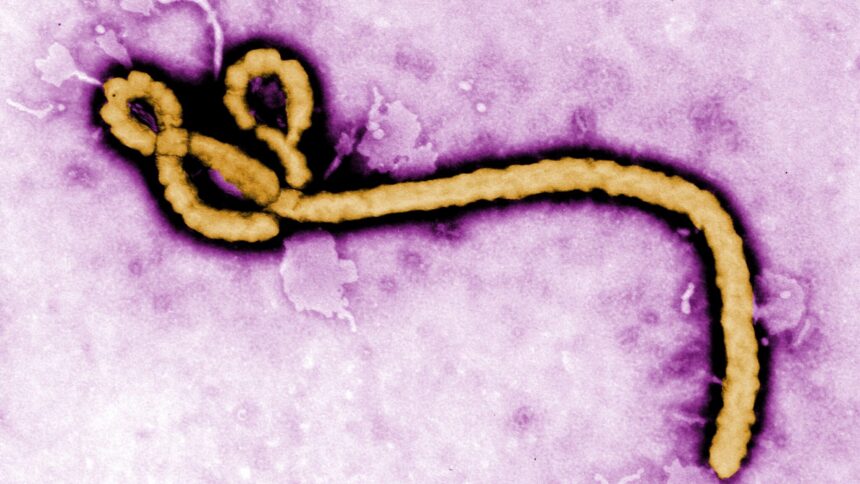
The Department of Health (DOH) said on Sunday, May 17, that it is actively coordinating with the World Health Organization (WHO) following the declaration of a Public Health Emergency of International Concern (PHEIC) linked to the Bundibugyo strain of the Ebola virus in parts of Africa.
In a statement, the DOH assured the public that the Philippines remains free of the Bundibugyo virus and emphasized that health authorities are on alert amid global monitoring efforts.
“We have been notified through the International Health Regulations (IHR) channels and are in active coordination with the WHO,” said DOH Undersecretary and spokesperson Albert Domingo.
The DOH noted that while Ebola outbreaks have historically occurred mostly in Western and Central Africa, previous Ebola-related incidents recorded in the Philippines in 1989, 1996, and 2008 involved the Reston virus strain, which does not cause illness in humans.
The department also recalled the 2014 West Africa Ebola epidemic, considered the largest in history, which recorded nearly 29,000 cases and a fatality rate of around 40 percent linked to the Zaire strain of the virus.
During that outbreak, Filipino United Nations peacekeepers returning from Liberia underwent a 21-day quarantine under the DOH Bureau of Quarantine.
“The virus did not spread and no one died of it in the Philippines,” the DOH said.
The WHO declared the Bundibugyo outbreak a PHEIC over the weekend, although Director-General Tedros Adhanom Ghebreyesus clarified that the situation does not meet the criteria for a “pandemic emergency” under the International Health Regulations.
Tedros warned that the response is being complicated by “ongoing insecurity, humanitarian crisis, high population mobility, the urban or semi-urban nature of the current hotspot, and the large network of informal healthcare facilities.”
He stressed the need for “international coordination and cooperation to understand the extent of the outbreak, coordinate surveillance, prevention and response efforts, scale up and strengthen operations, and ensure the ability to implement control measures.”
Domingo said WHO guidance for countries such as the Philippines, which has no recorded Bundibugyo cases and shares no land borders with affected nations, is focused on ensuring the public receives accurate and reliable information about the outbreak and preventive measures.
“The DOH is always ready and on alert,” he added. (Ellalyn De Vera-Ruiz)