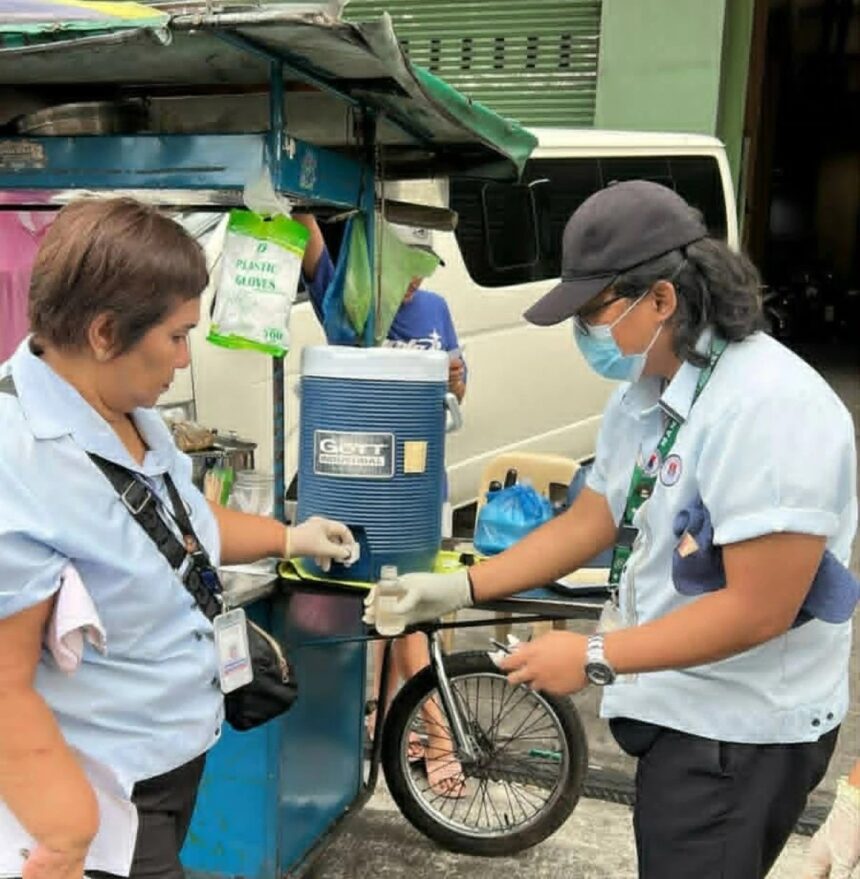
Manila authorities ordered a crackdown on “palamig” stalls in Tondo after a University of the Philippines (UP) Manila study detected drug-resistant bacteria in all 12 samples tested, raising urgent public health fears in the area.
City Health Officer Grace Padilla said the Manila Health Department (MHD) is treating the findings as a high-priority public health threat.
“We will immediately reinspect the 12 sites included in the study,” Padilla said, adding that sanitary inspectors across Manila’s six districts will be deployed, with Tondo tagged as a high-risk area.
The study by researchers from the University of the Philippines Manila College of Public Health found contaminated water and ice as the main risk sources.
In response, the city will require vendors to use certified potable water and ice from approved suppliers, with proof of certification required during inspections.
A mandatory hygiene training program will also be rolled out with UP Manila, covering handwashing, food safety, and sanitation, with certificates issued to those who complete it.
To help vendors comply, the city will also provide free water potability testing, with health workers conducting on-site sampling.
The city also plans to tighten licensing rules by requiring updated water safety certifications alongside sanitary permits, with a possible waiver of fees for small vendors.
Routine testing of drinks, water, and surfaces will also be conducted to detect bacterial contamination and antimicrobial resistance.
Michael Tee, chancellor of the University of the Philippines Manila (UP Manila), welcomed the initiative, saying it shows how research can directly lead to government action.
Other measures include setting up clean water stations, distributing hygiene kits, and launching a public awareness campaign encouraging the public to report unsanitary practices.