The Land Transportation Franchising and Regulatory Board (LTFRB) has issued 1,297 special bus permits to handle the Holy Week travel surge, expecting not only the usual influx of pilgrims but also more motorists shifting to public transport as rising fuel costs make commuting more practical.
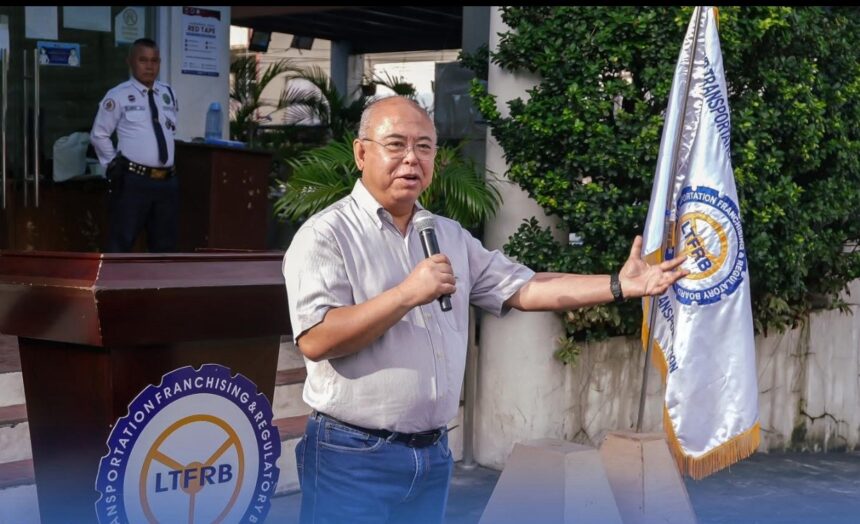
LTFRB chairperson Vigor D. Mendoza II noted that while the increase in passengers during Holy Week is a regular annual occurrence tied to religious observance, this year they expect even more commuters choosing public transport as a practical alternative.
“The increase in the number of passengers at this time of the year is normal because this is an annual religious activity that is really important for the Filipino people,” Mendoza said.
“But we are also anticipating additional commuters this time because with the price of gasoline and diesel, some of our kababayan would find it more practical to commute than drive their own vehicles,” he added.
Mendoza emphasized that the additional permits were issued precisely to guarantee adequate bus availability for travelers heading to and from the provinces during the long holiday break.
He said LTFRB Regional Directors were tasked to step up the monitoring of the passengers on bus and public utility vehicle (PUV) terminals to ensure a real-time response if there is a need to deploy more buses.
In granting the special permit, he said bus companies and operators were clearly instructed to ensure the road worthiness of their units.
Mendoza said he also tasked all Regional Directors to initiate road worthiness inspection protocols in bus and other PUV terminals.
He said coordination with other government agencies like the local government units (LGUs) and law enforcement agencies should also be done to maximize the assistance and road safety rules implementation.
“Our goal is to ensure the safety of commuters and other road users by ensuring the road worthiness of buses and other PUVs, as well as the physical and mental readiness of the drivers,” he added. (Aaron Recuenco)