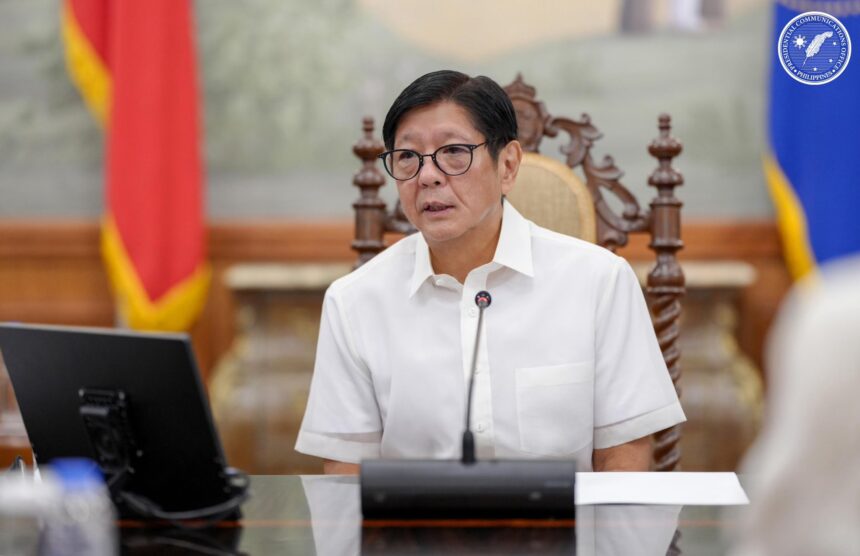
The Philippines is officially under a state of national energy emergency after President Ferdinand Marcos Jr. signed Executive Order No. 110 on Tuesday, March 24.
The declaration, effective for one year, comes in response to the escalating conflict in the Middle East, which has disrupted global oil production and transportation and threatens the stability of the country’s energy supply.
Marcos emphasized the “imminent danger” posed by the closure of the Strait of Hormuz, a vital corridor for global oil shipments, warning that the Philippines — highly dependent on imported fuel — is vulnerable to supply chain disruptions and price volatility.
Alongside the declaration, the EO creates the Unified Package for Livelihoods, Industry, Food, and Transport (UPLIFT) Committee, tasked with coordinating government measures to safeguard energy security and mitigate the impact of global instability.
Chaired by the President, the committee includes the Executive Secretary and the heads of the Departments of Energy, Transportation, Social Welfare, Agriculture, Finance, Economy and Planning, and Budget Management.
Its responsibilities include ensuring a stable domestic energy supply, maintaining essential services and public transportation, safeguarding food, medicine, and agricultural distribution, and developing long-term strategies to reduce petroleum consumption across sectors.
Marcos underscored that urgent measures are necessary to protect the economy and citizens, particularly vulnerable groups, from the ripple effects of geopolitical tensions involving the United States, Israel, and Iran. (Betheena Unite)