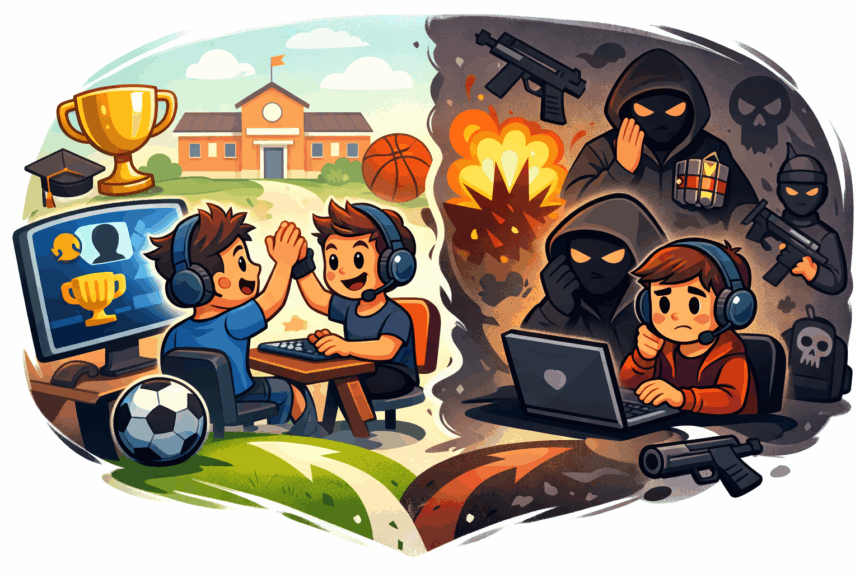
The Philippine National Police’s warning for parents to closely monitor children engaged in online gaming has raised understandable concern. But the issue it highlights is not entirely new.
In several violent incidents abroad, perpetrators themselves have pointed to online communities—including social media and gaming spaces—as environments that helped reinforce their thinking.
Investigations into the Christchurch mosque shootings in 2019 showed that the attacker had been active in extremist online forums where violence was normalized and glorified.
In the Buffalo supermarket shooting in 2022, authorities found the gunman had spent significant time in online chat platforms where radical views circulated.
These examples do not mean gaming itself causes violence. What they show is that digital spaces where young people freely interact can sometimes be exploited by those spreading extremist ideas.
This appears to be the concern behind the PNP’s latest warning after seven minors were reportedly rescued from an online gaming community where discussions allegedly encouraged violent acts.
Still, the question remains: should we really be worried?
Online gaming today is no longer just a pastime. Competitive gaming, or esports, is now officially recognized in schools and sporting bodies. Organized tournaments promote teamwork, discipline, and strategy. For many young people, gaming has become a safer alternative to idle time on the streets—time that might otherwise lead to drugs, gangs, or other harmful influences.
The real issue, therefore, is not gaming itself but the realities of the online world.
The answer? Definitely not panic. Parents must remain aware of their children’s digital lives. Gaming is not the threat. Neglect is.