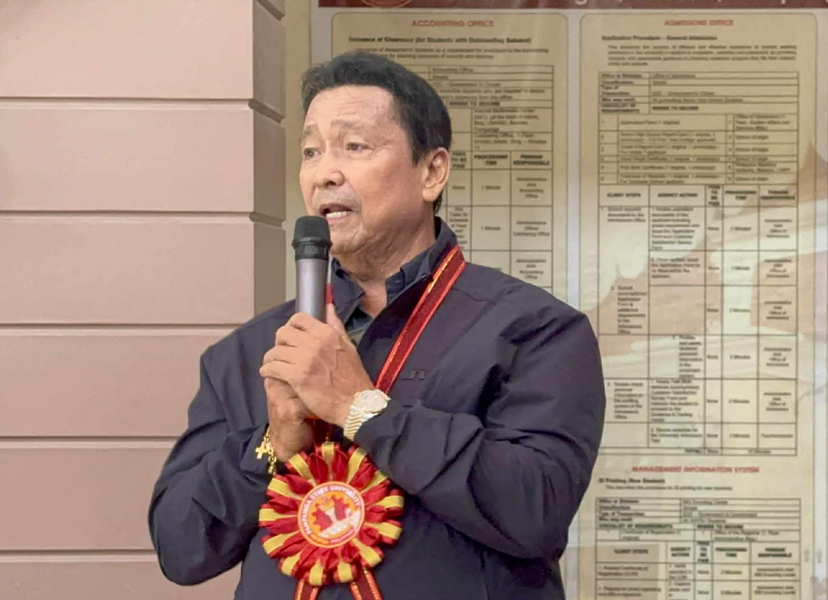
Actor–Senator Lito Lapid has long been known for his grit, whether leaping off buildings as an action star or navigating the complexities of lawmaking.
Today, he continues to divide his time between showbiz and public service with the same quiet determination that first endeared him to the masses.
“Wala ako rito kung hindi dahil sa showbiz,” he often says, acknowledging the industry that built him.

It’s as such that he remains committed to creating meaningful projects for television and film, his way of giving back to audiences who supported him through the decades.
Yet even as cameras roll, the work in the Senate never stops.
Lapid has faced years of criticism over his lack of formal education, but he meets these with humility rather than defensiveness.
“Aminado ako na kulang tayo sa edukasyon, pero hindi ibig sabihin nun na hindi ako kikilos para sa bayan,” he says.
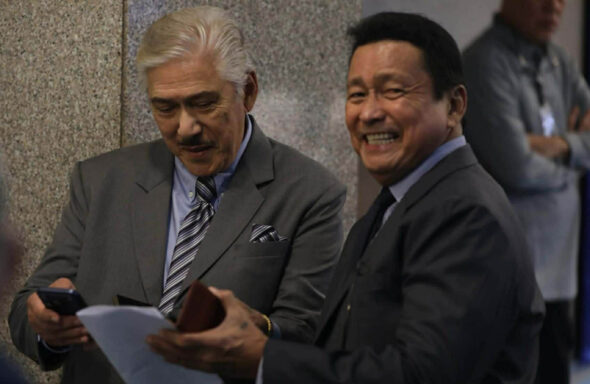
Indeed, for him, the mandate of the people is the only credential that matters—and he has worked to honor it every day.
His legislative record reflects quiet but consistent productivity. With 71 bills and 14 resolutions filed this Congress, Lapid shows that effectiveness in public office is measured not by pedigree but by persistence.
His landmark Free Legal Assistance Act of 2010 opened the doors of justice to the poor, while his authorship of the Kindergarten Education Act underscores his belief that no child should be deprived of learning opportunities—something he once experienced himself.

Lapid’s portfolio spans public health, environmental sustainability, livelihood, and sports development. As a committee chairman, he has pushed for stronger tourism programs and grassroots sports initiatives, always with an eye toward national upliftment.
Despite controversies around colleagues, he refuses to judge. Instead, he stays focused—working, filing, showing up.
And when the day’s legislative battles end, the actor in him still dreams.
He hopes to finally make his long-desired biopic—one that will require a lead bold enough to match the stunts of his youth.
“Sana mabuo na rin,” he says with a smile.