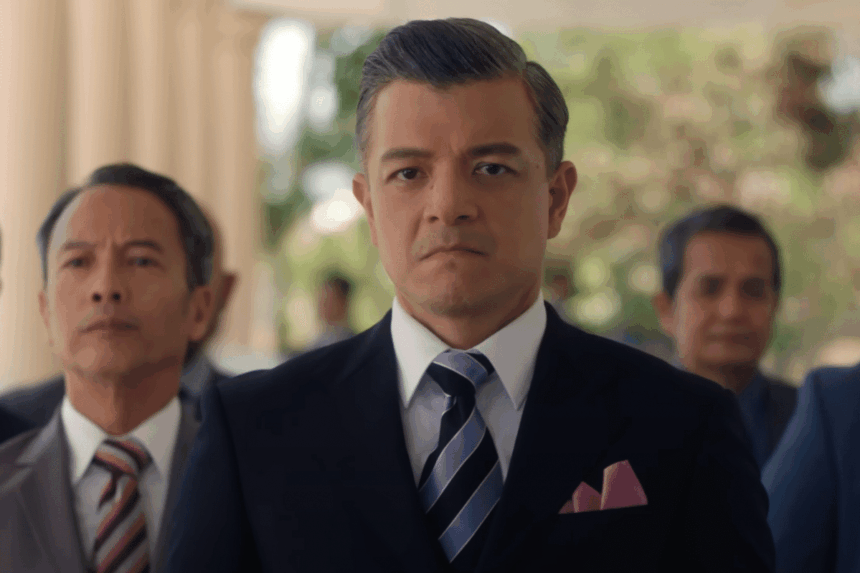
Cinema has always been a mirror, but sometimes what it reflects unsettles those who see themselves within it.
Such was the case at a recent screening of “Quezon,” Jerrold Tarog’s political biopic on the second Philippine president, when a talkback session turned into an emotional confrontation between history and interpretation.
Ricky Quezon-Avancena, the late leader’s grandson, seized the microphone and accused Tarog and lead actor Jericho Rosales of reducing his grandfather’s legacy to “a joke.”
The viral outburst laid bare a tension at the heart of historical filmmaking: Who owns the story of a nation’s icons, and how much freedom does art have to reimagine the past?
Tarog’s admission that the film was conceived as political satire seemed to ignite Avancena’s fury. But satire, by nature, holds power to account, often by humanizing or even lampooning its subjects.

“Quezon” explores the rivalries and contradictions that shaped a man often mythologized as incorruptible. To Avancena, that was desecration. To Tarog, perhaps, it was truth-telling through drama.
Rosales’ attempt to de-escalate the situation, mentioning time limits accorded those who ask questions, only intensified the charge, with Avancena later accusing the actor of “canceling a Quezon.”
His defense of family honor, posted afterward on Facebook, underscored how deeply personal public history can become when bloodlines and legacy intertwine.
In the end, “Quezon’s” controversy may serve its purpose. It has reignited discussion about historical memory, the politics of portrayal, and how the past is mediated for modern audiences.
The grandson’s anger is understandable but art’s duty isn’t to comfort descendants, it’s to provoke reflection among the living.
Enough said.